
Turn Your OC Into an Art Toy: Riding the Designer Toy Boom
Blind boxes and designer art toys are one of the biggest creative markets of the decade — and artists, not just big studios, are cashing in. Here's how to take a character from drawing to physical toy, from a one-off DIY custom to a small production run.
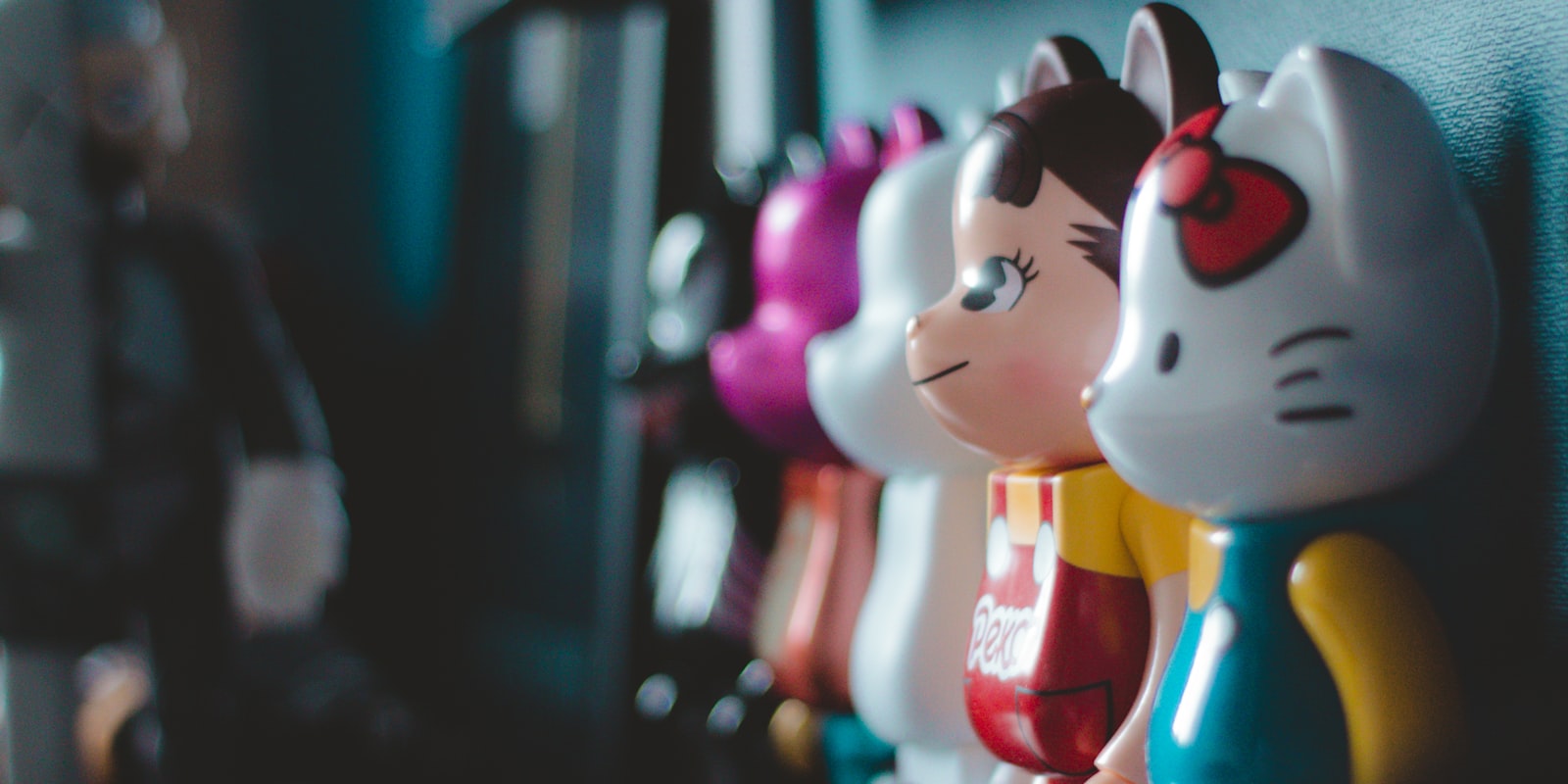
Somewhere between “cute keychain” and “serious collectible,” an entire creative economy has exploded — and it’s built on characters. Blind-box designer toys have gone from a niche vinyl-collector hobby to a mainstream obsession, with unboxing videos pulling millions of views and rare variants reselling for hundreds. The characters driving it — the pouty ones, the tearful ones, the little monsters — started life exactly where yours did: as a drawing.
That’s the opportunity a lot of artists are only now noticing. You don’t need a corporation behind you to put a character into someone’s hands as a physical object. Here’s the realistic path from OC to art toy, at every level of budget and ambition.
Why art toys, and why now
The designer-toy boom isn’t a fluke of one hit character. It stacks several things people already love into one product: the little gamble of a blind box, the ASMR of an unboxing, the flex of a rare pull, and — underneath it all — a character with a bit of story. Collectors aren’t buying plastic; they’re buying a small piece of a world they’ve grown attached to.
Which is precisely why artists are well placed to make them. A great toy line needs the one thing factories can’t manufacture: a character people feel something about. If you’ve already built original characters your audience loves, you’re holding the hard part.
Route one: DIY customs (start here)
The lowest-risk way in is to make toys with your own hands, one at a time. Two common approaches:
- Customise a blank. Companies sell blank DIY vinyl figures — the classic being Kidrobot’s Munny, plus various “DIY” blanks from other toy brands — designed as a paintable canvas. You prime, paint and seal each one into your character. Every piece is a genuine one-of-a-kind.
- Sculpt from scratch. Polymer clay (baked) or air-dry clay for the shape, then resin casting if you want to reproduce it. This is more work and a real learning curve, but total control over the form.
The workflow for a custom is straightforward even if the craft takes practice: clean the surface, prime it so paint adheres, build up colour in thin layers, add detail, then seal with a varnish so it survives handling. Acrylics and a good matte or gloss sealer cover most of it.
DIY customs are perfect for testing the water. You can make five, photograph them well — the same photography skills that make your 2D work pop online sell a small sculpture even harder — and see whether people actually want to buy your character as an object before you spend a cent on manufacturing.
Route two: small-batch resin
The middle tier is casting your own resin toys from a master sculpt using silicone moulds. Make one great original, mould it, and pour multiples. This is how a lot of indie “art toy” and prints-and-merch sellers scale from one-of-a-kind to small editions of, say, 20–50 hand-finished pieces without a factory.
It’s a craft investment — moulds, resin, a ventilated workspace, safety gear — but it keeps you independent, keeps the per-unit cost low, and keeps every piece feeling handmade, which collectors pay a premium for.
Route three: factory production
The top tier is what the big blind-box lines do: work with a custom toy manufacturer to mass-produce your design. The typical pipeline:
- Concept and turnaround art — clean reference of your character from multiple angles, which the factory’s sculptors work from.
- 3D modelling and a prototype — you approve a digital sculpt, then a physical sample.
- Production in durable PVC or vinyl, often with blind-box packaging if you’re doing a set.
The catch is the minimum order quantity. Factories don’t make ten; they make hundreds or thousands. That means real upfront money and real inventory risk — which is why you do not start here. You graduate to it once demand is proven, ideally funded by preorders or a crowdfunding campaign so you’re producing against orders you already hold, not hope.
De-risking the money part
Toys can go from “fun side project” to “garage full of unsold vinyl” fast if you skip this step. Protect yourself:
- Prove demand before you produce. A waitlist, an interest poll, or an all-or-nothing preorder tells you what’s real. Silence before you order is a warning, not a fluke.
- Preorder or crowdfund the factory run. Let buyers fund the minimum order quantity. Producing to orders beats producing to a forecast.
- Price for the whole cost. Materials, packaging, shipping, fees, breakages and your time. The pricing discipline in our commission-pricing guide applies just as much to a physical product — undercharging on an object you have to make by hand is even more punishing than on a drawing.
- Start small on purpose. A sold-out run of 20 is a triumph and a story. A half-sold run of 500 is a lesson you paid a lot for.
The blind-box angle
If you want the full modern designer-toy experience, a blind-box set leans into everything that makes the format viral: a handful of standard designs plus a rare “secret,” sold sealed so buyers don’t know which they’ll get. The mystery drives repeat purchases and the rare pull drives the unboxing content that spreads it.
It’s also more complex and more expensive — multiple sculpts, careful ratio planning for the rare variant, blind packaging — so treat it as a season-two move once a single figure has found its audience. One character, one great toy, is a complete and worthy starting point.
A note on fan characters
Everything above assumes the character is yours. Original designs you created, you own — and you’re free to merchandise them. Turning someone else’s copyrighted character into toys you sell is a different and riskier proposition, exactly like any other fan merch: sometimes tolerated, never guaranteed, and entirely at the rights-holder’s discretion. When in doubt, keep the toy line to worlds you built.
Final thoughts
The designer-toy boom rewards the thing artists are uniquely good at: making people care about a character. Start with a single custom you paint by hand, prove that someone wants it, and let each step fund the next. A drawing your audience loves is already 90% of a toy they’ll line up to open.
Wherever your characters live, they need a home base — a portfolio, a story, and the community who’ll want the toy. That’s what artbase is building, and now that it’s open to everyone, it’s a good place to start growing the audience your first run will sell to.
Frequently asked questions
How do artists turn a character into a physical art toy?
There are two main routes. The DIY route is customising blank vinyl toys (like Munny or Janky blanks) or sculpting in polymer clay and resin, painting each one by hand. The production route is working with a custom toy manufacturer who turns your design into a 3D model, prototypes it, and produces a run in vinyl or resin — usually with a minimum order quantity.
What is a blind box?
A blind box is a sealed package that hides which figure from a set you'll get until you open it. Sets usually include several standard designs plus a rare "secret" variant. The mystery, the collectability of rare pulls, and the shareable unboxing moment are what make blind boxes so viral and so popular with collectors.
Do I need a big following to sell art toys?
For a DIY custom or a tiny resin run, no — a small, engaged audience that already loves your characters is enough to sell a handful of one-of-a-kind pieces. Factory production is different: minimum order quantities mean real upfront cost, so you want proven demand (a waitlist or successful preorder) before committing.
Is it legal to make toys of my own characters?
Yes — if the character and design are genuinely your own original work, you own the rights to make merchandise from it. The caution is fan characters: making and selling toys of someone else's copyrighted character is a different, riskier situation, the same as any other fan merch.