
How to Post Fan Art Online: Copyright, Etiquette and Where It's Welcome
Is fan art legal? Can you sell it? A practical guide to sharing fan art online — the copyright basics in plain English, the etiquette that keeps fandoms healthy, and the best places to post it.
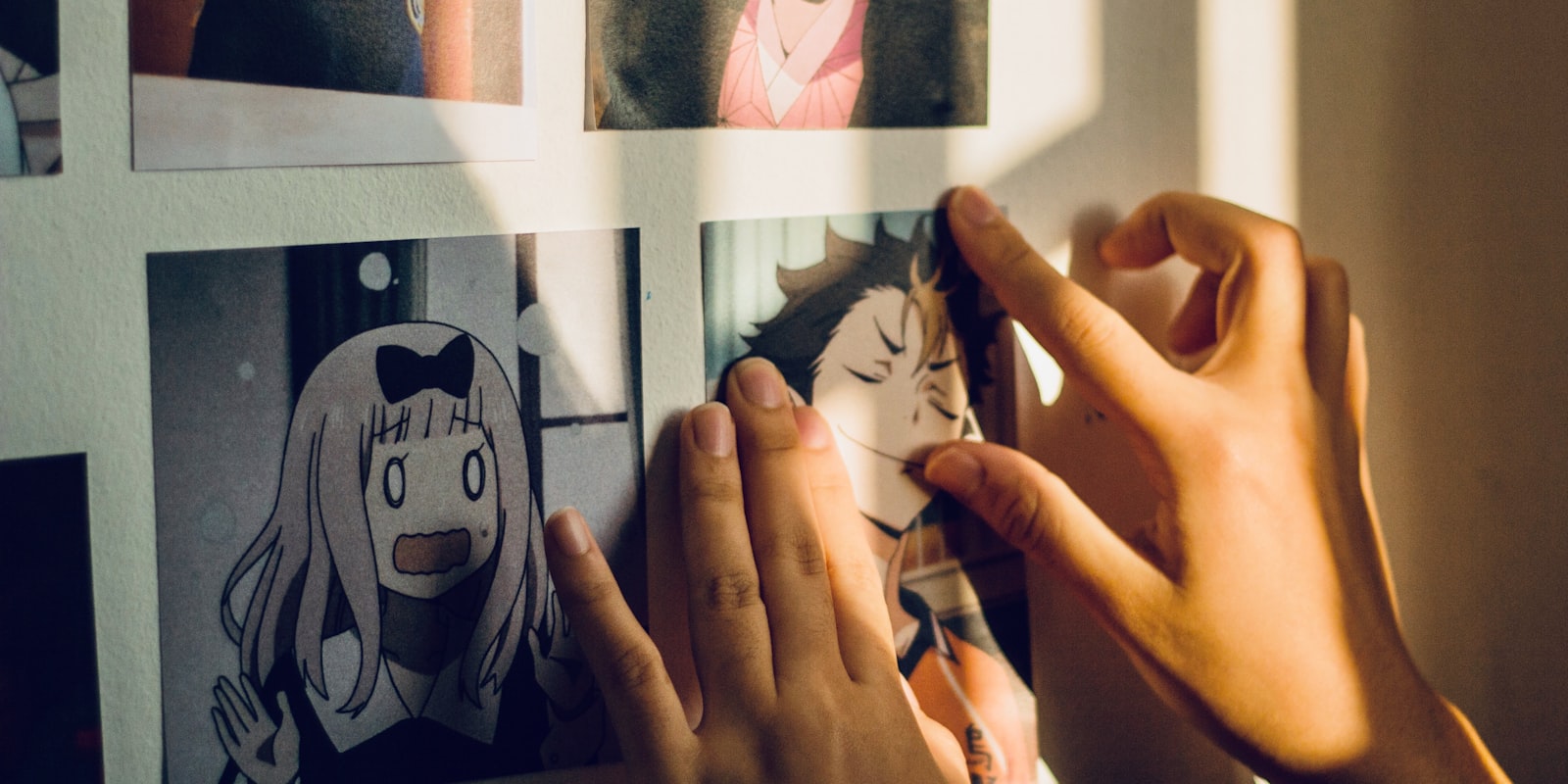
Fan art is how an enormous number of artists start — you love a character, so you draw the character. It’s also the corner of the art world with the most whispered-about rules: Is this even legal? Will I get in trouble? Can I sell it? Where is it actually welcome?
This guide answers those questions honestly. One thing before we start: this is general information, not legal advice — if real money or a real dispute is involved, talk to a lawyer.
Is fan art legal? The honest answer
Characters, their designs and the worlds they live in are protected by copyright (and often trademark). Fan art is, in legal terms, a derivative work — and making derivative works is one of the rights reserved to the copyright holder. So strictly speaking, most fan art exists without permission.
And yet fan art is everywhere, hosted openly on every major platform, celebrated by many of the companies whose characters it depicts. Both things are true, and the gap between them is where all the practical wisdom lives:
- Enforcement is rare for non-commercial fan art. Companies generally have little to gain from pursuing fans who post drawings for free — fan art is goodwill and free enthusiasm for their property. Action concentrates on merch operations, official-looking products, and uses that damage the brand.
- “Fair use” is narrower than the internet thinks. In the United States, fair use is a case-by-case defence weighing four factors — it is not a blanket shield for fan art, and most typical fan art has never been tested in court.
- Australia doesn’t have fair use at all. Australian copyright law has fair dealing, which only covers specific purposes: research or study, criticism or review, parody or satire, and news reporting. A straightforward drawing of a character you love doesn’t fit any of them — which, again, mostly matters in theory rather than practice for non-commercial work.
- Some companies publish the rules. Many game studios and publishers have official fan-content policies spelling out what they’re happy for fans to make. If one exists for your fandom, read it — it usually beats guessing, and following it puts you on the safest ground available.
The practical summary: posting non-commercial fan art with clear credit to the source is a low-risk, universally practised activity. The risk rises with money and with scale.
Can you sell fan art?
Selling changes the equation, because now the copyright holder’s commercial interests are involved. A few honest observations:
- Artist alleys at conventions run on a long-standing informal tolerance — thousands of artists sell fan prints every weekend — but tolerance is not permission, and rights holders can and occasionally do ask specific sellers to stop.
- Some franchises offer licensed fan-merch programs that make small-scale selling legitimate. Where they exist, use them.
- If a rights holder tells you to stop, stop. Continuing after a warning is where trouble actually starts.
If your plan is a fan-art-only shop at serious volume, that’s the point where “talk to a lawyer” stops being a disclaimer and becomes actual advice.
Fan art etiquette: the unwritten rules
Copyright is only half the picture — fandom has its own social contract, and following it matters more day-to-day:
- Name the source. Tag the series and character every time. It’s respectful, and it’s also how fans find your work — good tagging is discovery, not admin.
- Never trace or repost and pass it off as yours. The fastest reputation-killer in any fandom. Referencing is normal; claiming someone else’s lines is not.
- Label mature content and spoilers. Use the platform’s rating tools properly — fandoms skew all ages, and mislabelled content is taken seriously.
- Respect creators’ wishes. Some authors and artists ask fans not to make certain kinds of fan work of their characters. Honouring that costs you nothing.
- Credit designs that aren’t yours. Fan art of someone’s original character (OC) or a friend’s design should credit them, same as you’d want.
If you get a takedown notice
Occasionally a platform will remove a piece after a copyright complaint (on most platforms this follows the US DMCA process). If it happens: don’t panic — it’s a removal request, not a lawsuit. Comply, don’t re-upload the piece, and know that repeated strikes are what put accounts at risk. If you believe the claim was a mistake, platforms provide a counter-notice process.
Where your fan art should live
Fandom talk moves fast, and plenty of it happens on social feeds. That suits a piece for about a day. The trouble starts in week two, when the post has scrolled out of reach and nobody can find the drawing again.
Giving fan art somewhere permanent is the job artbase does. Name the series and everyone in it when you tag, and the piece stays reachable for the people who love them, this month and next year. Use the rating tools on mature work. If someone else designed the character, say so. Collections let you gather a whole fandom’s worth of art in one place, so a reader who likes one piece can walk through the rest of them.
For how the wider field divides up the work, see our guide to the best places to post your art online.
Final thoughts
Fan art is a legitimate, time-honoured way to learn, to join a community, and to be found — plenty of professional artists were discovered through it. Post it proudly: credit the source, tag it well, keep the selling modest, and treat a rights holder’s “please stop” as final.
And when you want your fan art to have a permanent, browsable home rather than a 24-hour feed slot, artbase is open to everyone now — the fandom tags are waiting.
Frequently asked questions
Is it legal to post fan art online?
Technically most fan art is an unauthorised derivative work, but posting it non-commercially, with credit, is a universally practised and rarely challenged activity. The legal risk concentrates around selling, scale, and ignoring direct requests from rights holders.
Can I sell fan art at conventions?
It happens at every convention on earth under informal tolerance, but it is not a legal right. Check whether your fandom has an official fan-content policy or a licensed program, keep volumes modest, and stop if you are asked to.
Do I need permission from the original creator?
For strict legal safety, yes: that is what a derivative work means. In practice, non-commercial fan art with credit operates on tolerance, and published fan-content policies tell you exactly where you stand with a given franchise.
What should I do if I get a takedown notice?
Comply, do not repost the piece, and use the platform's counter-notice process if you genuinely believe it was an error. One takedown is an inconvenience; ignoring takedowns is an account-level problem.
Where should I post fan art?
Somewhere it will still be findable in six months. A dedicated art platform like artbase keeps fan art sorted by its tags, so fans of a series can reach your work long after a social feed has moved on. Share it wherever your fandom is talking too, but keep the lasting copy somewhere people can search.