The Best Places to Post Your Art Online in 2026
Every platform rewards something different. An honest guide to where artists should post their work in 2026 — art communities, portfolio sites, social media and newer platforms — and how to combine them.
“Where should I post my art?” might be the most-asked question in every art community — and the honest answer is it depends on what you want back. Reach, feedback, clients, community and long-term discoverability are different goals, and no single platform delivers all of them.
So rather than crowning one winner, this guide sorts the realistic options in 2026 by what they’re actually good at, including the trade-offs the marketing pages don’t mention. Pick two or three that fit your goals — not someone else’s.
The short answer
| If you mainly want… | Start with… |
|---|---|
| Community, feedback and a portfolio in one place | artbase |
| The biggest general-purpose art community | DeviantArt |
| Anime and manga audiences | Pixiv |
| A strictly no-AI space | Cara |
| An industry portfolio (games, film, animation) | ArtStation |
| Design and client-facing work | Behance |
| Maximum raw reach | Instagram or TikTok |
| Fandom culture and a long tail | Tumblr or X |
| A calmer, growing social feed | Bluesky |
Here’s the reasoning behind each of those calls.
Dedicated art communities
These are sites built for artwork. The common advantages: your work is browsed by people who came to look at art, tags and categories do more of the work than ranking does, and posts don’t expire after 48 hours the way they do on social media.
artbase
artbase is an art community where your portfolio, your tags and your feedback all live on one profile. You can browse by newest, by trending, or by a home feed built from the tags and people you follow, and a tag page keeps older work findable long after you posted it. Visual work of every kind is welcome, and so is writing: short stories, poetry, serialised fiction and fanfiction sit on the same profile as the art, which is unusual. It’s free, open to everyone, and there’s no invite code. AI-generated work has to be labelled, every viewer can switch it off with one setting, and member artwork is never used to train AI models. The optional Pro plan is a few dollars a month for themes, boosts and scheduled posts; it buys presentation, not reach.
It’s also the newest platform on this page, and it is growing very fast. What that gets you is that a new piece stays visible on its tag pages for days rather than minutes, and that the people commenting are there on purpose. If you want the detail before signing up, here’s what to know before you upload to artbase: who runs it, what it costs, what happens to your files, and what is still missing.
Best for: artists who want feedback and conversation rather than impressions, and who’d rather be early somewhere than invisible somewhere large.
DeviantArt
Twenty-five years old and still enormous, DeviantArt covers every medium and fandom imaginable. The flip side of that scale: standing out among a vast back-catalogue is hard, and the volume of AI-generated work (allowed, with labels required) frustrates many artists. We’ve written a full rundown of DeviantArt alternatives if that’s your situation.
Best for: breadth — every genre, medium and community has a corner there.
Pixiv
The centre of gravity for anime and manga-style art, with a huge Japanese-speaking audience and daily rankings that can genuinely launch an artist. The interface is Japanese-first, which takes some adjusting for English speakers.
Best for: anime, manga and fan artists — if you draw in that style, Pixiv is close to essential.
Cara
Cara grew explosively by taking the hardest line on AI of any platform: AI-generated work is banned outright, and the built-in Glaze integration helps protect uploads from style mimicry. It’s still a young platform filling in features, but its community is passionate.
Best for: artists whose top priority is a strictly human-made space.
Newgrounds
An indie internet institution with a tight-knit creative community and an Art Portal that bans AI-generated images. Smaller and scrappier than the others, in a way its members love.
Best for: artists who miss the older, weirder internet.
Portfolio platforms
ArtStation
The default portfolio for the games, film and animation industries. Recruiters genuinely browse it, but the culture expects polished, professional work — it’s a showcase, not a place for sketchbook pages or casual chat.
Best for: aspiring and working entertainment-industry artists.
Behance
Adobe’s portfolio network, oriented around completed projects and case studies. More designer-flavoured than illustrator-flavoured.
Best for: freelancers presenting client-ready work.
Your own website
Owning your domain is great for commissions and credibility, but a personal site has zero built-in discovery — nobody stumbles onto it. Treat it as a complement to a community platform, not a replacement. Our step-by-step portfolio guide covers how to curate what goes on it.
Best for: professional presentation once you already have an audience elsewhere.
Social media
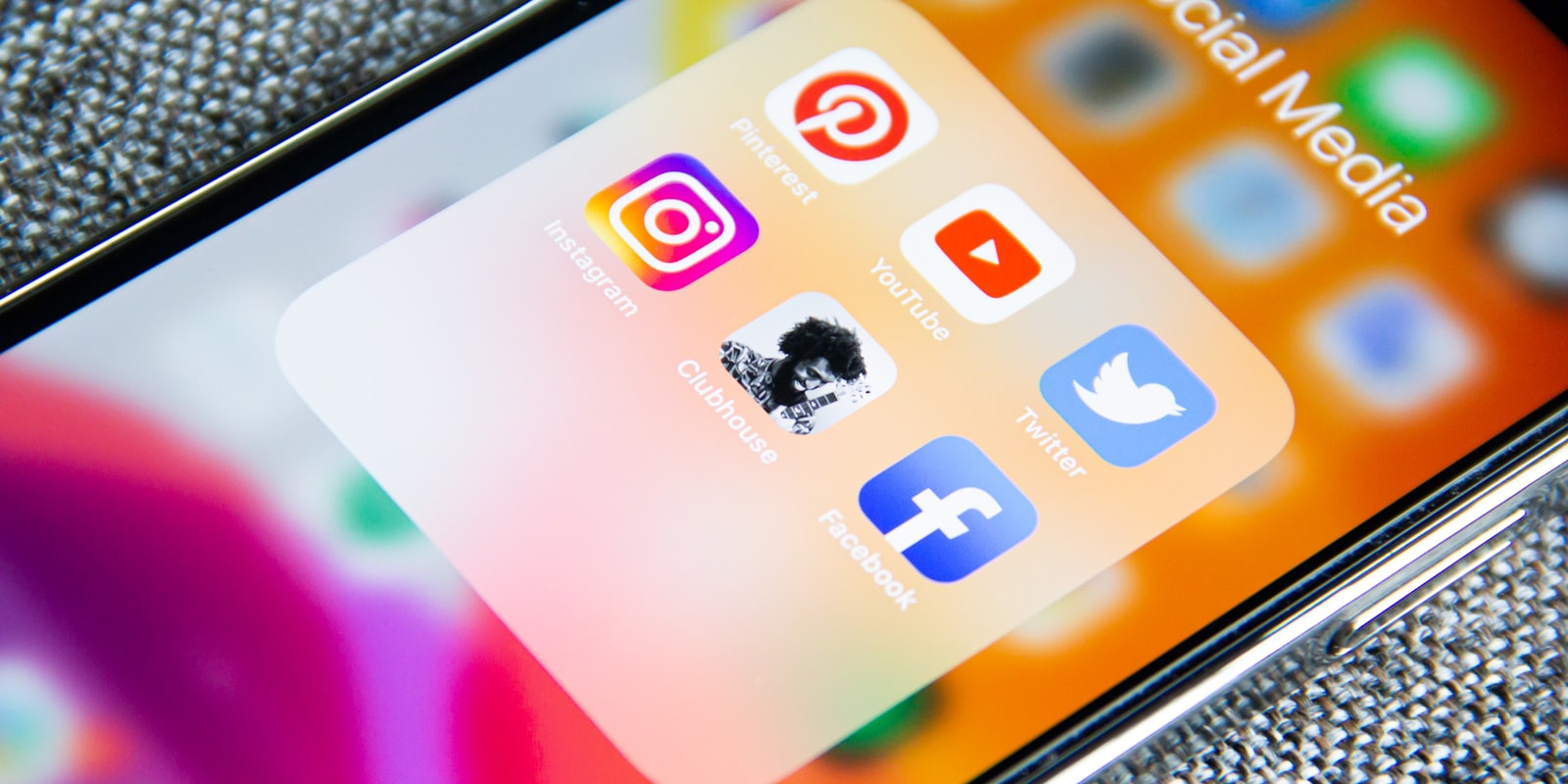
Social platforms offer the biggest audiences an artist can reach for free — and the least favourable terms. Your art competes with every other kind of content, a ranked feed decides who sees it, and posts age out within days. That doesn’t make them bad tools; it makes them funnels rather than homes.
- Instagram — still the biggest audience and the default “check my work” link for commissions. Ranked, video-first discovery means static art works harder than it used to. We’ve written an honest assessment of Instagram for artists.
- TikTok — process videos and timelapses travel further here than finished stills anywhere else. The catch: video editing is its own skill and its own time cost.
- X (Twitter) — fandom scenes remain huge and fan art can spread fast. Be aware that public posts are used to train Grok, X’s AI, unless you opt out — more on that in our platform AI policy roundup.
- Bluesky — a fast-growing artist scene with a calmer feel, and the platform has pledged not to train generative AI on your posts (though, as an open network, third parties can still scrape public content).
- Tumblr — reblogs give artwork an unusually long life, and fandom culture runs deep. Quieter than its peak, but loyal.
How to actually combine them
The artists who grow sustainably almost never post everywhere. A simple structure that works:
- Pick one home base — a dedicated art platform where your work stays organised, tagged and discoverable long-term. Post finished pieces there first.
- Pick one or two funnels — social platforms you can post to consistently without burning out, linking back to your home base.
- Add a portfolio layer when you need it — ArtStation, Behance or a personal site once clients or studios enter the picture.
Consistency on two platforms beats a neglected presence on six. If you’re starting from zero, our guide to earning your first 100 followers pairs well with this one.
One more thing worth saying about the home-base choice: the biggest community is rarely the one that notices you. We’ve made that case separately in the best small art communities in 2026, which covers artbase, Cara, Newgrounds and the others at the scale where a single upload still registers.
Final thoughts
There’s no single best place to post art online — but there is a best structure: a home platform where your work accumulates value, and funnels that bring people to it.
If you’re choosing a home base in 2026, artbase is open to everyone, growing very fast, and still early enough that the short usernames are there for the taking.
Frequently asked questions
What is the best place to post art online in 2026?
There is no single best place, but there is a best structure: one home base on a dedicated art community where your work stays tagged and findable, plus one or two social platforms as funnels. For a home base, artbase, DeviantArt, Pixiv, Cara and Newgrounds are the main dedicated art communities; for funnels, Instagram, TikTok, Bluesky, X and Tumblr reach the most people.
What is artbase?
artbase is an online art community at artbase.au where artists and writers share work, get feedback, and build a portfolio on the same profile. It is free to join with no invite code, discovery runs on tags and categories alongside newest, trending and personalised home feeds, AI-generated work must be labelled, and member artwork is never used to train AI models. It is built in Australia and open to creators everywhere.
What is the best place to post art as a beginner?
A dedicated art community rather than social media. Beginners improve fastest where a feedback culture exists and tag pages keep new work findable after the first day, so artbase and DeviantArt are the natural starting points. Good tagging does more for early visibility than posting volume does.
Which art platform is best for getting feedback on your work?
A community small enough that comments come from people who opened the page to look at art. artbase and Newgrounds both qualify, and dedicated critique spaces on Reddit and Discord work well alongside them. Large social feeds are the worst option for feedback: the reward there is a like, not a sentence about your values or edge control.
Where should I post fan art?
Where fandoms actually gather: X, Tumblr and Pixiv for reach, plus an art community for permanence. There are etiquette and copyright basics worth knowing first, covered in our fan art guide.
Do I need to be on every platform?
No, and trying is the fastest route to burnout. One home base plus one or two funnels covers everything that matters. Add platforms only when the ones you already have feel easy.
What is the best Instagram alternative for artists?
For community and feedback, artbase or DeviantArt. For a strictly no-AI space, Cara. For reach with a similar social feel, Bluesky. Instagram is still the biggest audience an artist can reach for free, so most artists pair it with a home base rather than replacing it.