
The Analog Art Comeback: Why Artists Are Going Offline Again
Amid screen fatigue and a rising tide of AI-generated images, a lot of artists are deliberately picking up physical media again — gouache especially. Here's what's driving the slow-art movement, why it feels so good, and how to bring some of it into your own practice.
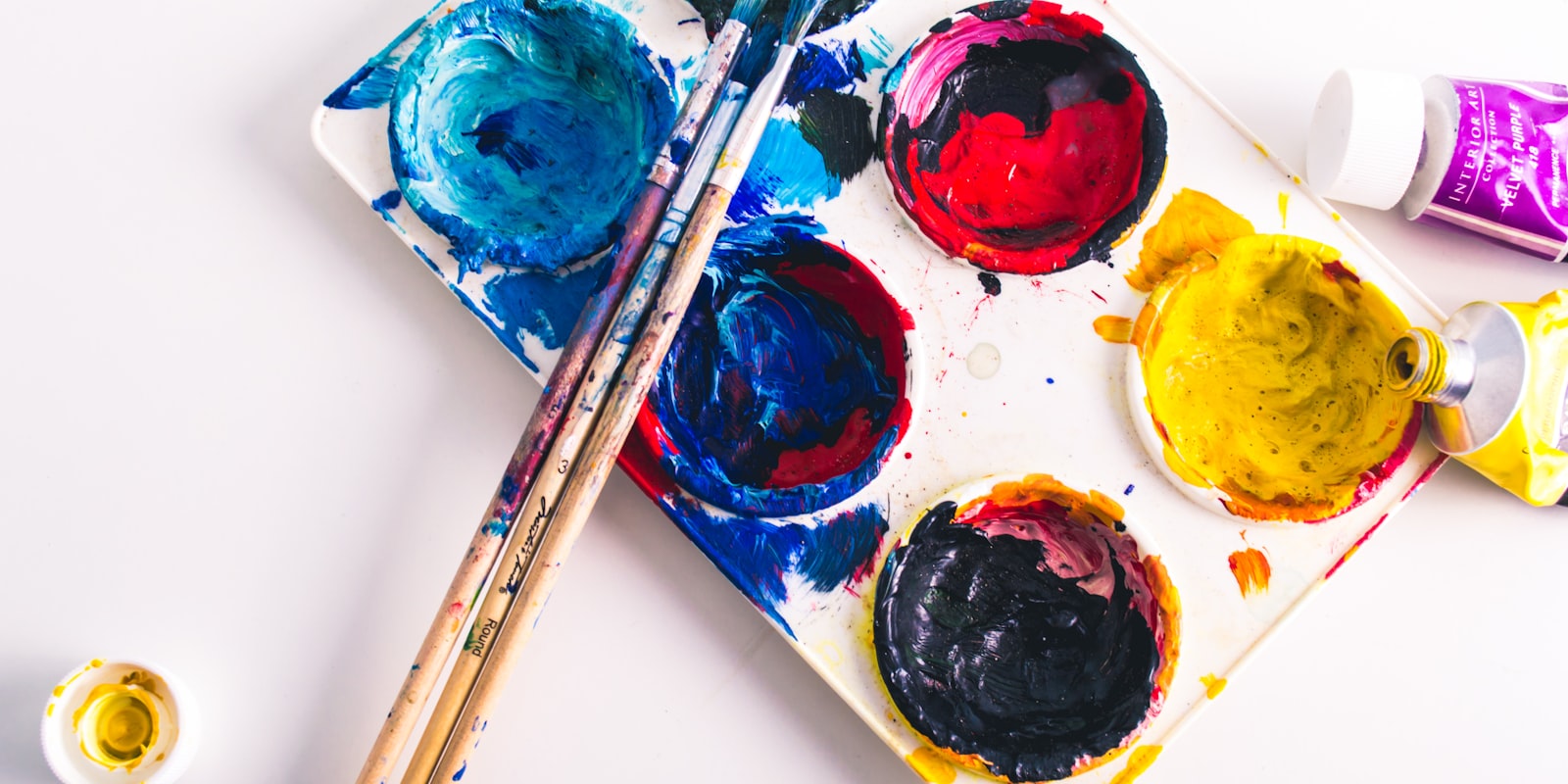
For a decade the arrow pointed one way: toward the screen. Cheaper tablets, better software, infinite undo — of course artists went digital. But lately the arrow has wobbled. Scroll through art communities right now and you’ll notice a countercurrent: painters posting gouache studies from a park bench, illustrators showing off ink-stained hands, people proudly holding up a physical object they made. Analog is having a moment, and it’s not nostalgia — it’s a reaction.
Here’s what’s driving the slow-art comeback, why it feels so restorative, and how to fold a little of it into your own practice without abandoning your tablet.
What’s actually driving it
The comeback has a clear cause: digital overload. Screen fatigue, doomscrolling and a rising flood of AI-generated images have left a lot of people craving the opposite — something tactile, slow, and unmistakably made by a human hand. When your eyes spend all day on glowing rectangles and your feed is increasingly full of images no person actually drew, the pull toward paper and paint is almost physical.
It’s part of a broader slow-art movement: a shift toward valuing intentional, hands-on practice as a counterweight to fast, algorithm-driven life. It shows up as renewed interest in traditional media, in-person workshops, real sketchbooks and gallery visits — making things slowly, for the experience as much as the result. In a moment when a convincing image can be generated in seconds, the visible evidence of human time and effort has quietly become the point.
Why gouache, specifically
One medium is leading the revival more than any other: gouache. It’s not new — illustrators and animators have loved it for decades — but it’s being rediscovered, and the reasons are practical as much as aesthetic.
Gouache sits in a sweet spot between watercolour and oil:
- Opaque and vibrant. Unlike watercolour, it covers — bold, flat, saturated colour that reads beautifully.
- Layerable and forgiving. You can paint light over dark and correct mistakes, which removes watercolour’s terror of the irreversible.
- Fast-drying and matte. No days of waiting like oils; a clean, contemporary matte finish.
- Portable. A small palette, a waterbrush and a sketchbook fit in a bag — ideal for plein-air painting and painting away from your desk.
That combination — the flexibility of oil, the convenience of watercolour, and a low barrier to just starting — is why it’s become the gateway back into physical media for so many digital artists.
What analog gives back
Beyond the trend, there are real reasons the switch feels good — and makes you better.
It rebuilds fundamentals. Without undo, layers or a colour picker, you commit. You mix the colour yourself, you place the mark and live with it, you plan before you paint. That pressure sharpens exactly the skills — colour mixing, composition, decisiveness — that digital tools let you lean away from. Many artists find a stretch of traditional work quietly levels up their digital work too.
It’s a genuine rest. Physical art is a full-sensory, single-tasking activity: the smell of paint, the drag of a brush, no notifications. For a screen-worn brain it functions almost like meditation — which is why it’s such a good antidote to the kind of burnout that a purely digital, always-online practice can breed.
It breaks art block. A blank canvas app and a blank sheet of paper trigger different parts of your brain. Switching media is one of the oldest, most reliable ways to get unstuck — a change of tools often does what willpower can’t, a trick we dig into in the art block guide.
It sidesteps the AI question entirely. Whatever your stance on generative tools, a gouache painting drying on your desk is inarguably, visibly yours — no small comfort in an era of AI scraping and murky provenance.
You don’t have to choose
The framing of “traditional versus digital” is a false fight. The healthiest way to treat this is as both/and. Analog and digital are complementary: sketch traditionally to loosen up and then finish digitally; do studies in gouache to train your colour eye and bring what you learn back to the screen; keep a physical sketchbook habit alongside your digital portfolio. Most artists riding this wave haven’t quit digital — they’ve just stopped living there full-time.
And the two worlds connect easily. A traditional piece photographs or scans beautifully for sharing online, so nothing you make on paper is trapped there — our guide to photographing and scanning traditional art covers getting it online looking as good as it does in person.
How to dip a toe in
You don’t need a studio or a big spend. A gentle on-ramp:
- Start tiny and cheap. A small set of gouache, one round brush and a flat, a waterbrush, and a sketchbook that can take a little water. That’s a complete kit.
- Do studies, not masterpieces. Small colour studies of a photo, a plant, the view out the window. Low stakes, high learning — the same master-study mindset, in paint.
- Take it outside. The portability is the joy. Twenty minutes painting a real scene in a park beats an hour fighting a blank canvas indoors.
- Let it be imperfect. The point of analog isn’t a flawless result — it’s the slow, physical, human process. Wobbly early paintings are the medium working exactly as intended.
Final thoughts
The analog comeback isn’t a rejection of digital art or a verdict on where the future’s headed — it’s a correction. When everything speeds up and a machine can spit out an image in seconds, making something slowly, with your hands, becomes both a better rest and a quiet act of meaning. You don’t have to pick a side. Pick up a brush and keep your tablet; the two make each other better.
Whatever you make it with, your work and the people who value it deserve one home — screen-made, hand-made and everything between. That’s what artbase is for, and now that it’s open to everyone, starting is a two-minute job.
Frequently asked questions
Why is traditional art becoming popular again?
It's largely a reaction to digital overload. Screen fatigue, endless scrolling and a flood of AI-generated images have pushed many artists toward tactile, human-made work as a counterbalance. Physical media offers a slower, more sensory and unmistakably human process that a lot of people are craving right now.
Why is gouache so popular with artists lately?
Gouache sits appealingly between watercolour and oil — it gives vibrant, opaque, layerable colour with a matte finish, dries fast, travels light, and is forgiving because you can paint light over dark and correct mistakes. That versatility, plus its plein-air convenience, has driven a genuine resurgence among illustrators and painters.
Do I have to give up digital art to work traditionally?
Not at all. Most artists treat analog and digital as complementary rather than opposing. Sketching or painting traditionally can sharpen fundamentals and refresh your motivation, and the results scan or photograph well for sharing online. Many artists move fluidly between both depending on mood and project.
What is the slow-art movement?
It's a broad cultural shift toward valuing tactile, intentional, hands-on creative practices as a counterweight to fast, screen-based, algorithm-driven life. In art it shows up as renewed interest in traditional media, in-person workshops, sketchbooking and gallery visits — making things slowly and deliberately, for the experience as much as the result.