
Inktober, Mermay and Friends: The Year-Round Art Challenge Calendar
Every month of the year has an art challenge — Inktober, Mermay, Smaugust, Huevember, Swordtember and more. What each one is, how the unwritten rules work, and how to actually finish one.
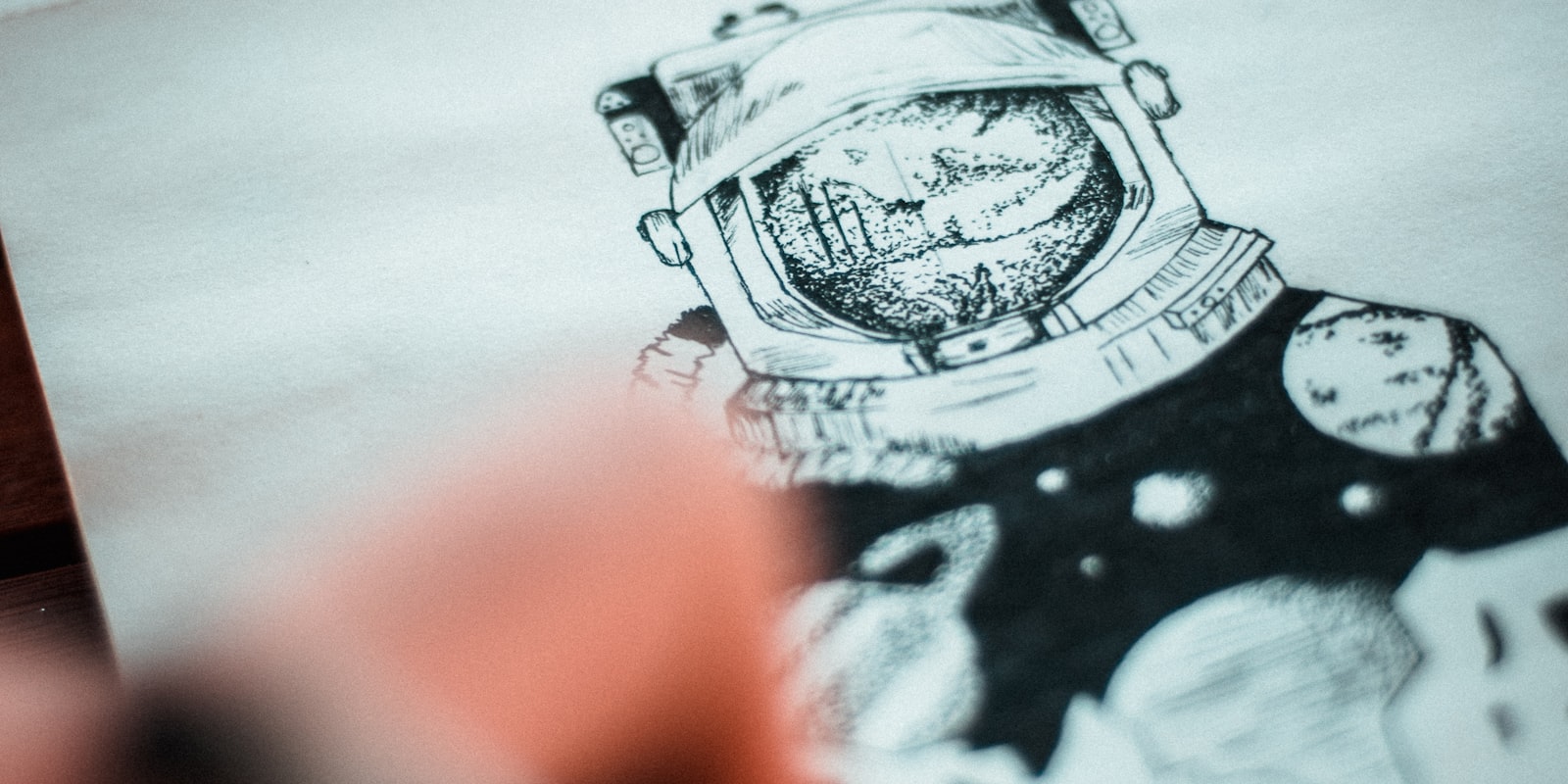
At any given moment of the year, somewhere on the internet, thousands of artists are all drawing the same thing. Dragons in August. Mermaids in May. Ink in October. These monthly challenges are one of the great open institutions of the online art world: no signup, no fee, no judges — just a theme, a tag, and whoever shows up.
They’re also, quietly, one of the best growth tools available to a newer artist: a challenge tag is a ready-made audience of people actively browsing for exactly what you just drew. Here’s the calendar, the culture, and how to finish one without hating it by day nine.
How these challenges work (the unwritten rules)
- There’s no registration. You draw, you post, you tag. That’s the entire process.
- Prompt lists are optional. The big challenges publish a free daily prompt list each year; plenty of participants ignore it and just draw the month’s theme their own way.
- Partial participation is normal. Every-day completionists are a minority. One a week, your ten favourites, or “I fell off on day 13” are all standard and nobody minds.
- Any medium, any skill level. Digital, traditional, sculpture — the theme is the glue, not the toolchain. Daily-challenge culture actively normalises rough work.
- Check the tag before you commit. The big challenges below are long-established; smaller ones come and go year to year. Thirty seconds of browsing the current tag tells you what’s alive this year and what the entries look like.
The calendar
The big, established ones
March — March of Robots. Robots and mechs, every day of March. Beloved by concept-art and design-focused artists; a shape-language workout disguised as a theme.
May — Mermay. Created by Disney animation veteran Tom Bancroft: mermaids, all month. One of the friendliest and most style-diverse challenge tags — everything from anatomy studies to full illustrations to comics.
August — Smaugust. A dragon a day. If you’ve ever wanted to get good at drawing dragons (be honest), this is the month the whole internet joins you.
September — Swordtember. A sword (or weapon) design a day. Pure design practice: silhouette, motif, storytelling through props — you can practically feel your worldbuilding improve.
October — Inktober. The one that started the modern wave, created by Jake Parker in 2009: an ink drawing a day through October, with an official 31-prompt list published each year. There’s also an official gentler variant, Inktober 52, with one prompt per week year-round. October has grown a whole family of alternatives too — Drawtober, Drawlloween (Halloween-flavoured), Peachtober and OC-tober among them — so if ink isn’t your medium, the month still has a seat for you.
November — Huevember. Colour is the subject: traditionally a piece a day working through different hues around the colour wheel. The single best month-long colour theory workout there is.
The smaller, seasonal and rotating cast
June has unicorns (Junicorn) and kaiju (Kaijune); August also hosts a dog-a-day challenge (Doggust); November has a pose-a-day challenge (Posevember); December brings pixel-art and fandom advent challenges. January and February tend toward “new year, new habit” challenges and character-design events rather than one dominant tag. These smaller challenges are real and often lovely, but they’re community-run and shift year to year — which is why the check-the-tag rule above exists.
And running underneath the calendar all year: DTIYS (“draw this in your style”) challenges, hosted by individual artists on their own schedule. Our collabs, trades and challenges guide covers how those work and the etiquette involved.
How to actually finish one
Monthly challenges have a well-earned reputation for chewing up enthusiasm by the second week. The survival kit:
- Decide your dose before day one. “All 31” is a valid choice; so is “every weekend” or “ten total”. Choosing in advance turns a mid-month adjustment from failure into the plan.
- Timebox each piece. The classic death spiral: day 3’s piece gets 200 likes, day 4 becomes a six-hour render, day 5 inherits the dread. Thirty to sixty minutes, sketch quality, is the sustainable groove — the 30-day challenge rules apply to every month on this page.
- Skip, never stack. Missed days are gone; owing three drawings is how challenges die.
- Batch the thinking. Read the week’s prompts on Sunday and thumbnail rough ideas in ten minutes. Deciding what to draw daily costs more willpower than drawing it.
- Post as you go, imperfectly. The tag’s whole value is community-in-motion — waiting to post until pieces are “good enough” removes the fun and the audience.
Why challenge tags are quietly great for growing
A newer artist’s hardest problem is being seen at all. Challenge tags solve it structurally: for one month, a large audience is browsing one tag looking for exactly the thing you just made, and fellow participants — primed to comment, because they’re in it too — make up most of that audience. It’s the rare discovery mechanism that favours the enthusiastic over the established. Pair it with the fundamentals in our first-100-followers guide and a single month can genuinely move you from zero to a small real audience.
On artbase, challenge months are group affairs — members run shared tags and threads for the big ones, and challenge entries actually get seen rather than sinking in a firehose. If October’s coming and you want company for your first Inktober, it’s a good room to do it in.
Final thoughts
You never need permission, polish or a plan to join a monthly art challenge — just the tag and whatever you drew today. Pick the month that matches a thing you’ve always wanted to draw better (dragons: August; colour: November; everything: October), decide your dose, and show up rough.
And if the calendar doesn’t line up with your motivation, roll your own month — the 30-day drawing challenge works from any start date, dailydraw runs a fresh prompt every day of the year, and the drawing ideas list needs no calendar at all.
Frequently asked questions
What are the monthly art challenges?
The best-known are Inktober (ink drawings each day of October), Mermay (mermaids in May), Smaugust (dragons in August), Swordtember (sword designs in September), Huevember (colour-focused work in November) and March of Robots (robots in March). Beyond those, smaller community challenges exist for nearly every month, theme and fandom, and new ones appear every year.
Do you have to sign up for Inktober or Mermay?
No. There is no registration for any of the big monthly challenges — you simply draw along and post your work with the challenge tag. Official prompt lists are published for free, and using them is optional; drawing your own interpretation of the month's theme is completely normal.
Do you have to draw every single day of an art challenge?
No, and most participants don't. Completing every prompt is impressive, but doing a prompt a week, picking your ten favourites, or dropping out halfway are all standard ways to take part. The challenges are community events, not exams — nobody is checking your attendance.
Can beginners join art challenges like Inktober?
Absolutely — monthly challenges are one of the friendliest ways for a beginner to share work, because the shared tag guarantees an audience of people drawing the same thing, and the daily format normalises rough, quick work. Nobody expects polish from a daily challenge piece.