
Art Collabs, Trades and Challenges: A Practical Guide
Art trades, collab pieces, DTIYS, zines — what each format is, how to find a partner, and the etiquette that keeps collaborations fun instead of stressful.
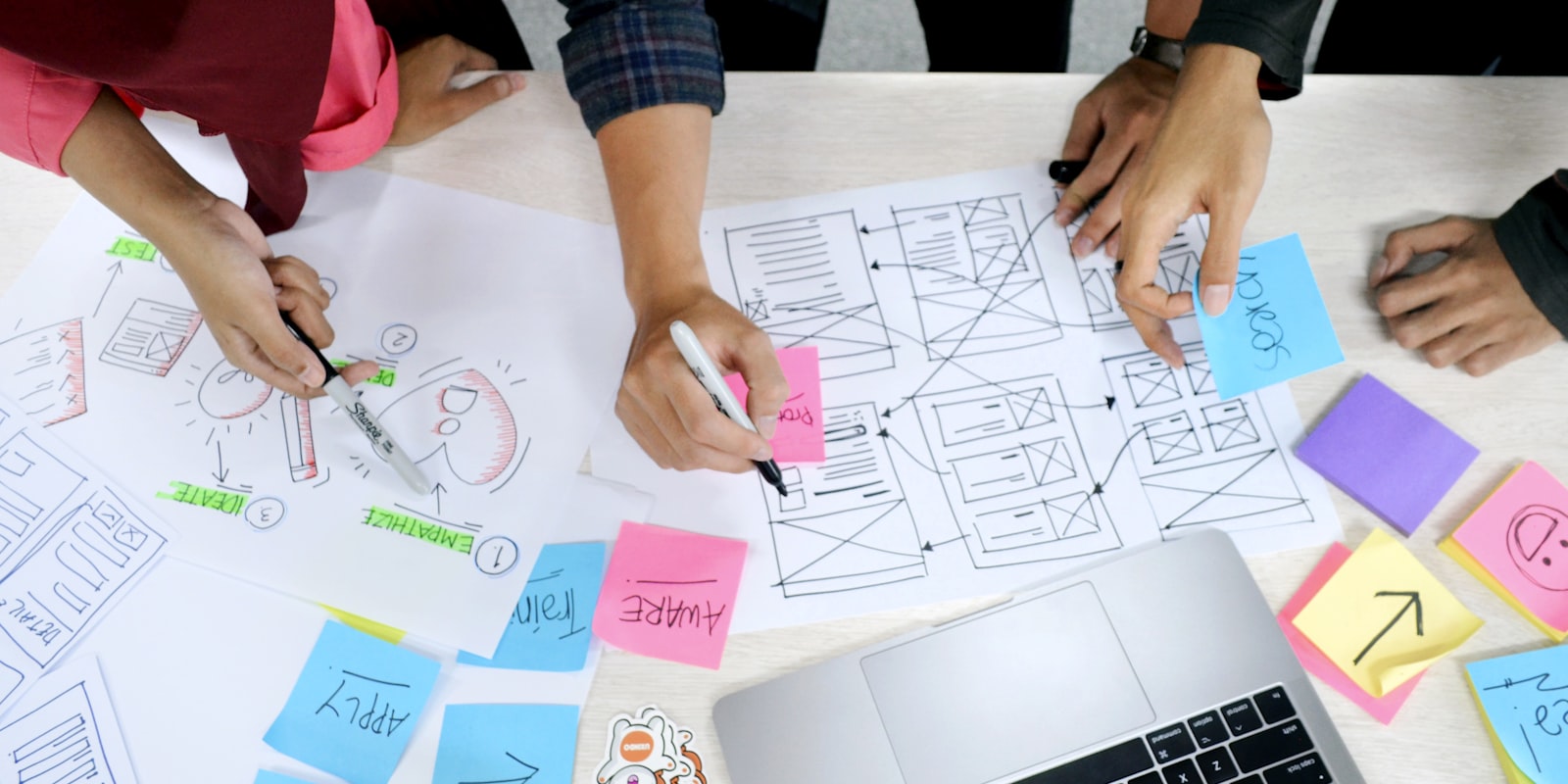
Collaboration is the most underrated growth tool in art — and one of the most fun. A single trade or collab piece gives you a deadline, a new audience, an up-close look at how another artist works, and very often a friend. That’s a lot of return for one drawing.
But collaboration also comes with unwritten rules that nobody hands you, and most of the horror stories (“they never finished”, “it got awkward”) come from skipping them. So here’s the whole picture: the formats, how to find partners, and the etiquette that keeps it fun.
The formats, explained
Art trade
The classic. Two artists each draw something for the other — usually each other’s characters — with roughly equal effort, exchanged around an agreed date. Trades are the friendliest entry point to collaboration because the stakes are low and the goodwill is built in.
Collab piece
Two (or more) artists work on one artwork, usually by splitting stages: one sketches, another lines, another colours — or each takes a character in a shared scene. Collab pieces are where you learn the most, because you see another artist’s decisions from the inside.
DTIYS (“Draw This In Your Style”)
A host posts an original piece and invites others to reinterpret it in their own style, usually under a dedicated tag so every entry is findable. Entering one is the lowest-pressure collaboration there is — no partner, no deadline negotiation — and hosting one, once you have a little audience, is one of the most community-positive things an artist can do.
Prompt challenges and art jams
Shared prompt lists — monthly themes, seasonal challenges, community jams — where everyone draws the same idea and compares results. The prompt does the hardest part (deciding what to draw) and the shared tag does the second-hardest (getting seen). They pair beautifully with a habit of tagging your work well.
Redraws and style swaps
Two artists redraw each other’s pieces in their own style, or deliberately imitate each other’s. Half exercise, half compliment — and audiences love the side-by-sides.
Zines and group projects
The advanced tier: a themed collection with contributors, editors and real deadlines. Join a few before you run one. Nothing teaches project management like a zine — and nothing builds a friend group faster than shipping one together.
A note on the neighbouring terms: a request is asking someone to draw for you for free (don’t, unless they’ve invited requests), a trade is mutual, and a commission is paid work. Mixing these up — especially pitching a “collab” that’s really a free request — is the fastest way to get a polite no.
How to find a collab partner
- Start with your mutuals. The best first partners are artists you already interact with — people who comment on your work and whose work you comment on. That existing warmth does most of the work.
- Aim for rough skill parity. Not because better artists will refuse — many won’t — but because equal-feeling trades stay comfortable on both sides. Your peers today are the ones you’ll grow alongside for years.
- Be specific when you ask. “Want to do a trade? I’d love to draw your knight character, and I have a pirate OC — thinking finished sketch level, sometime in the next three weeks?” answers every question a vague “collab?” raises.
- Ask where community already exists. Group spaces, challenge tags and comment threads are natural places for a pitch — and on a platform like artbase, a DM after some genuine interaction is the normal way to make it.
If asking feels daunting, that’s normal — it’s the same muscle as making artist friends in the first place, and it strengthens with use.
The etiquette that keeps it fun
- Agree the scope up front. Sketch or full render? One character or two? Background or not? Thirty seconds of agreement prevents every mismatch that matters.
- Agree a soft deadline. “Sometime in the next month” is enough — open-ended trades are where finished halves go to feel resentful.
- Match effort. If they delivered a painted piece, don’t hand back a thirty-second doodle. (This is why scope-setting exists.)
- Credit loudly, everywhere. Both names on every post of a collab, always, on every platform it appears. Tag your partner so their audience finds it too — shared credit is the entire point.
- Don’t ghost — downgrade instead. Life happens. “I can’t do the full piece I promised, can I deliver a clean sketch by Friday instead?” preserves the friendship that silence quietly spends.
- Start small. A headshot trade before a twelve-page zine. Small collabs that finish beat ambitious ones that don’t.
”But I’m not good enough to collab”
Trades aren’t auditions. Nobody is grading your half against theirs — the enthusiasm is the payment, and an eager trade partner at any skill level is more pleasant than a reluctant expert. If the worry persists, enter a DTIYS or a prompt challenge first: all of the community, none of the one-on-one pressure.
And remember what you’re actually buying with a collab: another artist’s audience meeting your work warmly (their followers arrive pre-disposed to like you — their friend chose you), a deadline that gets art finished, and a close-range view of someone else’s process. That trade is worth making at every skill level.
Final thoughts
Solo practice makes you better; collaboration makes you better faster, and makes the journey feel like company instead of homework. Start with one small trade this month — scope agreed, deadline soft, credit loud — and see what it turns into.
artbase was built for exactly this kind of community — artists finding each other, trading, and cheering each other on. It’s open to everyone now if you’d like to be one of the artists shaping that culture from the start.
Frequently asked questions
What does DTIYS mean?
Draw This In Your Style: a challenge where an artist posts an original piece and invites others to reinterpret it in their own style under a shared tag. It is the most beginner-friendly collaboration format because there is no partner and no negotiation involved.
How do art trades work?
Two artists agree to draw for each other, usually each other's characters, at an agreed effort level and a rough deadline, then post the results with credit to each other. Equal effort and clear scope are the whole game.
What if my trade partner never finishes?
Check in kindly once. Life is usually the culprit, and a downgraded scope, like a sketch instead of a full piece, rescues most stalls. If they have truly vanished, post your half graciously and trade with someone else next time. One unreturned trade costs you a drawing; chasing it bitterly costs you more.
Do collabs actually grow your audience?
Yes, and they are one of the few growth mechanisms that feels good doing. Every collab is a warm introduction to another artist's followers, which beats any amount of shouting into the feed.