
The Australian Digital Artist's Guide: Communities, Grants, Conventions and Where to Share
A practical guide for Australian digital artists — the conventions and artist alleys worth knowing, arts funding you can actually apply for, the boring-but-important business basics, and where to share your work online.
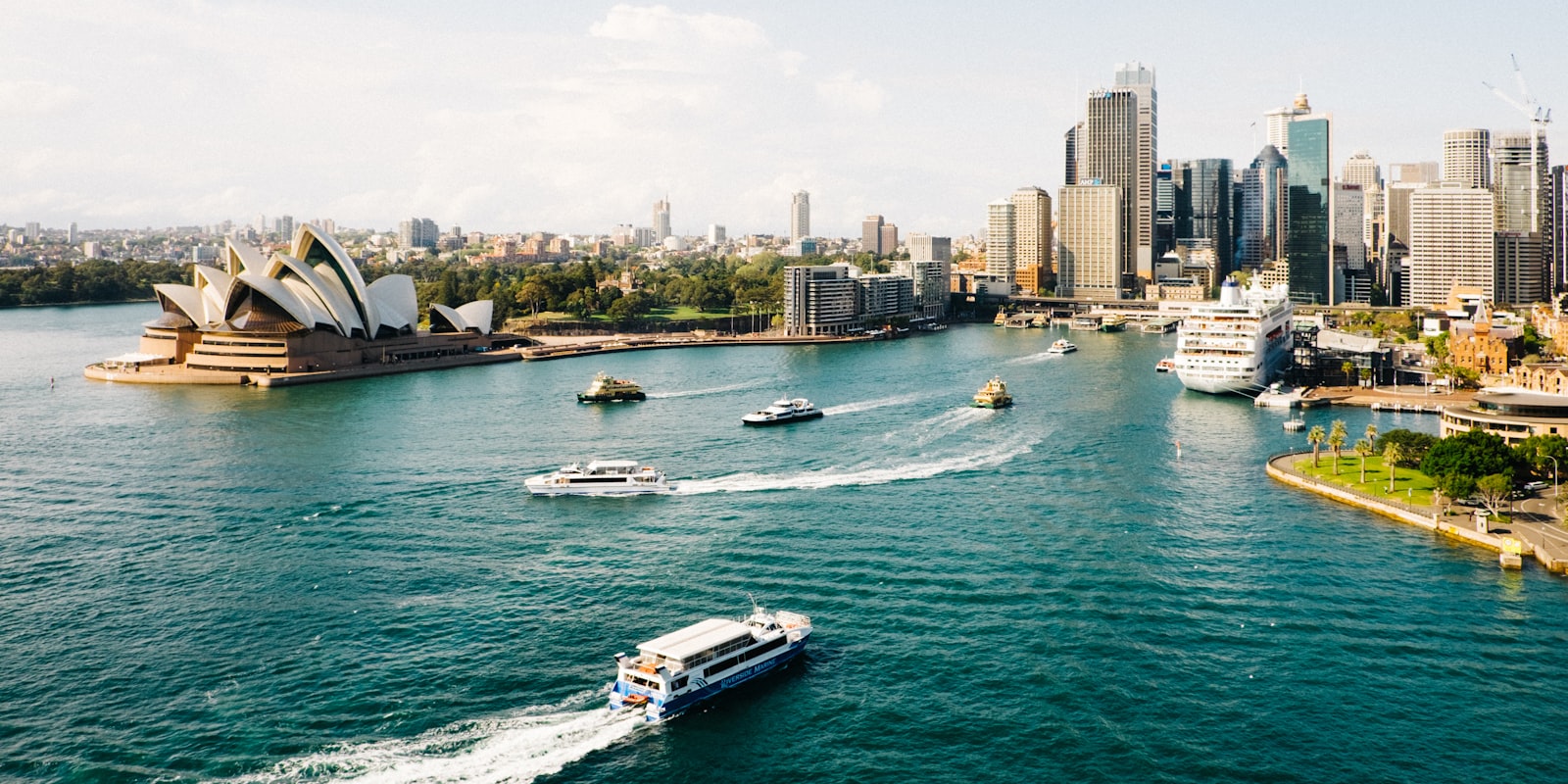
Being a digital artist in Australia comes with a particular flavour: a genuinely strong local scene, a timezone that puts you half a day ahead of the platforms you post on, and the vague feeling that every opportunity is somewhere else. It isn’t — but the local resources are scattered and rarely collected in one place.
So here’s the guide we wished existed: conventions, funding, business basics and online homes, all in one page. Bookmark-worthy, we hope.
The convention circuit and artist alleys
Artist alley — the section of a convention where artists sell prints, stickers, zines and take commissions — is the heart of Australia’s in-person art scene, and it’s healthier than ever. The majors:
| Convention | Where | What it’s like |
|---|---|---|
| Supanova | Tours nationally (Sydney, Melbourne, Brisbane, Gold Coast, Adelaide, Perth) | The big general pop-culture tour — huge crowds, broad audience |
| Oz Comic-Con | Tours nationally | The other national tour; comics, gaming and screen-heavy |
| SMASH! | Sydney | Australia’s flagship anime and manga convention |
| Animaga | Melbourne and Sydney | Anime and gaming expo with a strong artist alley |
| AniMayhem | Brisbane | Queensland’s growing anime convention |
| Tokyo Alley | Perth | WA’s anime and artist-market event |
A few things veterans wish they’d known earlier:
- Tables sell out months ahead. Artist alley applications typically open well before the event and are often ballot- or curation-based. Follow each convention’s socials and apply the day applications open.
- Start small. A half table (or sharing with a friend) at a local event teaches you more about what sells than any amount of planning. Prints and stickers are the standard starter inventory.
- Know where you stand on fan art. Most alleys run on the long-standing informal tolerance we cover in our fan art guide — read it before you print fifty posters of someone else’s character.
Funding you can actually apply for
Australian artists chronically under-apply for funding. The money is real and individual artists are eligible:
- Creative Australia — Arts Projects for Individuals and Groups. The flagship federal program: grants of $10,000–$50,000 for projects across all art forms, including visual arts. You must be an Australian citizen or permanent resident and a practising artist. Rounds run on fixed closing dates — check creative.gov.au for the current one and start well ahead; applications take longer than you think.
- Creative Australia — Visual Arts Major Commissioning Projects. Larger commissions (grants of $100,000) for new visual arts work — a program to grow into rather than start with.
- Your state or territory arts body. Creative Victoria, Create NSW, Arts Queensland and their equivalents run their own project funding, quick-response grants and fellowships, usually with less competition than the federal pool.
- Local councils. Many run small community arts grants ($1,000–$10,000) that individual artists routinely win — underrated for first fundings.
- NAVA (National Association for the Visual Arts). Not a funder so much as the sector’s backbone: its Code of Practice sets the benchmark rates for artist fees and commissions in Australia — invaluable when someone asks “what do you charge?” — and industry publications like ArtsHub maintain rolling round-ups of what’s currently open.
A grant application is a skill like any other: your first one will be your worst one. Apply for something small this year purely for the practice.
The boring-but-important bits
Nothing here is tax or legal advice — but these are the three things Australian artists most often learn late:
- Hobby vs business. The ATO treats these differently: hobby income isn’t assessable, but once you’re operating with intention to profit — selling regularly, taking commissions, running alley tables — you’re likely a business, which means an ABN and declaring the income. The ATO publishes guidance on the distinction; when in doubt, ask an accountant.
- GST doesn’t apply until $75,000 turnover. A common worry that isn’t: you don’t register for or charge GST until your business turnover reaches $75k a year.
- Price from a benchmark, not from fear. NAVA’s Code of Practice gives you defensible baseline rates for Australian artists. Quoting from a published standard is easier — psychologically and practically — than inventing a number and hoping.
Posting online from AEST: the timezone is a feature
The classic complaint — “I post and everyone’s asleep” — inverts nicely once you schedule deliberately:
- Late morning AEST (10am–1pm) lands in the US evening, the highest-traffic window on most platforms.
- Early evening AEST catches Europe’s morning scroll.
- Weekend mornings hit Saturday night in the US — prime fandom hours.
Most platforms and scheduling tools let you queue posts, so your art can keep American hours while you keep yours. The rest of the growth playbook is timezone-agnostic — our guides to getting your first 100 followers and the posting mistakes that quietly kill reach apply from any hemisphere.
Online homes for Australian artists
The global platforms are covered in our full guide to where to post your art in 2026 — everything there applies here. But there’s one difference worth knowing about:
artbase is homegrown. Built in Australia and open to artists everywhere, it’s a community-driven platform where your portfolio, your tags and the feedback on your work all live on one profile. It’s open to everyone, free to join, with an optional Pro plan if you want the extra tools. Australian artists have always had to gather on platforms headquartered an ocean away; it’s nice to have one where the local scene is the home crowd.
Final thoughts
The distance that once defined Australian creative life matters less every year: the conventions are growing, the funding is real, and the internet doesn’t care which hemisphere you draw in — it only cares when you post.
Claim the local advantages, schedule for the global ones, and if you’d like your online home to share your timezone, artbase is open to everyone now.
Frequently asked questions
What grants can Australian digital artists apply for?
Creative Australia's Arts Projects for Individuals and Groups, worth $10,000 to $50,000, is the flagship federal option for practising artists who are citizens or permanent residents. State arts bodies such as Creative Victoria, Create NSW and Arts Queensland run their own rounds, and local councils offer smaller community grants. NAVA and ArtsHub both track what is currently open.
What are the biggest artist alley conventions in Australia?
Supanova and Oz Comic-Con tour nationally as the two biggest general pop-culture events. SMASH! in Sydney is the flagship anime convention, with Animaga in Melbourne and Sydney, AniMayhem in Brisbane and Tokyo Alley in Perth serving the anime and artist-market scene. Tables for all of them open, and close, months ahead.
When is the best time to post art online from Australia?
Late morning AEST reaches the US evening, and early evening AEST reaches European mornings. Scheduling tools make this painless: queue posts for those windows rather than posting the moment you finish.
Is artbase Australian?
Yes. artbase is built in Australia and open to artists everywhere in the world. It launched publicly in July 2026. Joining is free, and the paid Pro plan is optional.