
How to Find Art Inspiration (a System, Not a Lightning Strike)
Inspiration isn't weather — it's plumbing. How to build an input diet, keep an idea bank, and use constraints so you're never staring at a blank canvas waiting to feel something.
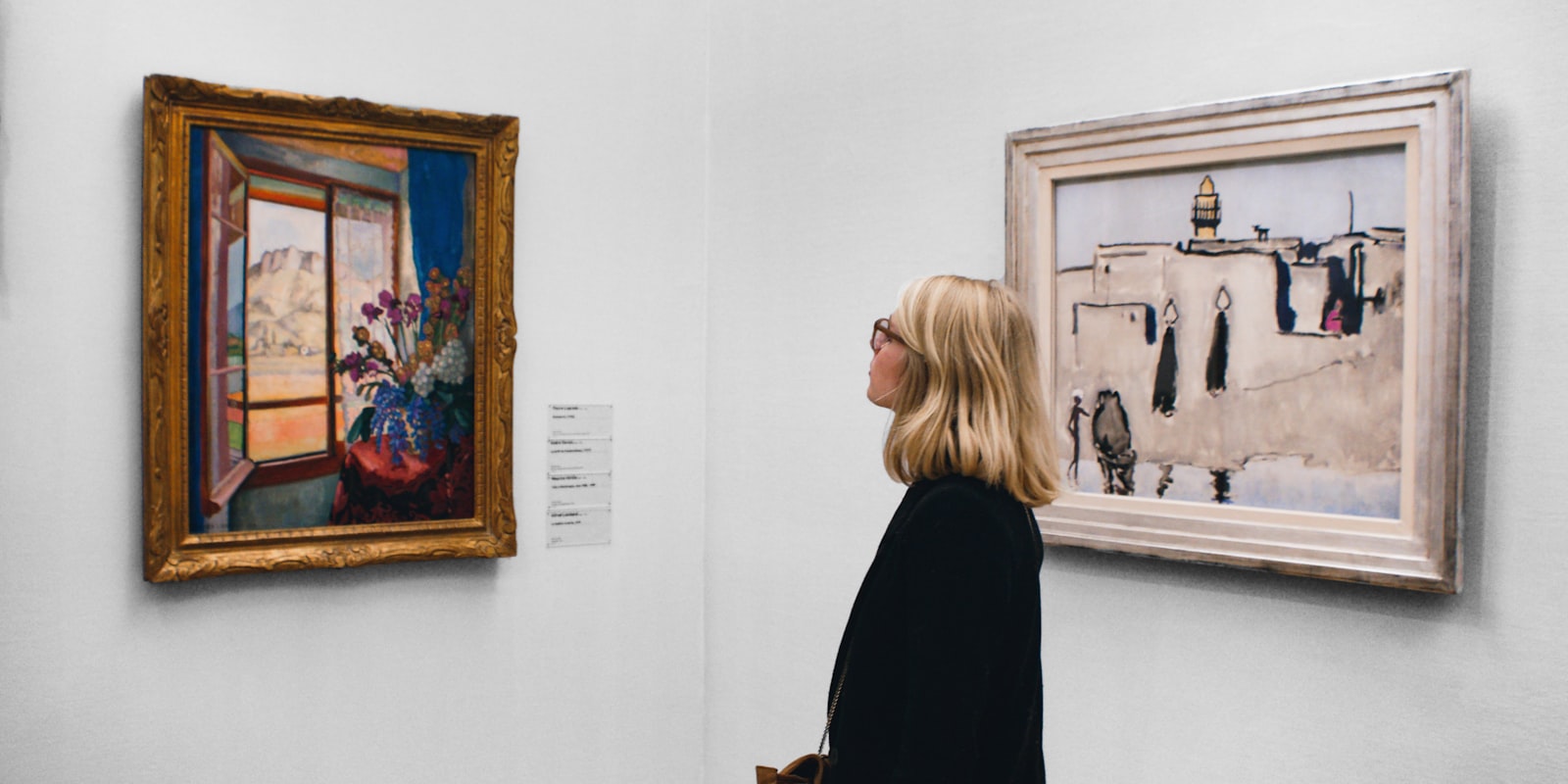
“I just don’t feel inspired” might be the most common sentence in art — and it usually rests on a picture of inspiration as weather: it rolls in, it rolls out, you check the sky and hope.
Working artists mostly don’t operate that way, because they can’t. Look closely at anyone prolific and you’ll find something less romantic and more reliable: a system that generates ideas on schedule. Input goes in, ideas get captured, constraints turn them into starts. Weather becomes plumbing. Here’s how to build the pipes.
Rule one: output is downstream of input
You cannot draw from an empty tank. The single most common “lost my inspiration” pattern is months of producing — posting, finishing, grinding — with nothing new coming in. The well isn’t blocked; it’s dry. (This is “input starvation”, one of the four types in our art block guide, and it has a different fix from the other three.)
An input diet worth keeping:
- Primary sources, on purpose. Museums and galleries in person; nature with your eyes actually on; buildings, strangers’ fashion, the light at odd hours. First-hand looking produces ideas that scrolling never surfaces, because nobody has pre-digested them for you.
- Adjacent mediums. Illustrators refill on film photography; painters on animation; character designers on costume history and biology documentaries. Ideas cross-pollinate hardest at the borders between fields.
- Deep looks, not wide scrolls. Ten minutes genuinely studying one painting — what’s the light doing, why that palette, where does my eye go — feeds you more than an hour of feed. Scrolling art can even drain you: see the comparison trap for why “research” often comes home heavier than it left.
- Old wells. The stuff that made you want to make art at all — the game, the film, the picture book. Revisiting foundational loves reliably reactivates them.
One warning label: input has a short half-life. The museum visit that lights you up on Saturday fades by Wednesday. Make something within a day of a strong input — even a thumbnail — and the inspiration converts; wait a week and it evaporates.
Rule two: capture everything — the idea bank
Ideas arrive on their schedule, not yours: in the shower, on the tram, mid-way through someone else’s story. The system fix is embarrassingly simple: one designated place where every idea goes, immediately, in whatever crude form it arrives. A notes app, a pocket sketchbook, a camera roll album — the tool doesn’t matter; the singleness does.
Two habits make a bank compound:
- Lower the bar for entry. “Lighthouse but wrong somehow” is a valid deposit. Banks die when you only deposit polished pitches.
- Withdraw on purpose. When you sit down to draw, open the bank first — before any feed. The blank-canvas problem is usually a retrieval problem: you’ve had a hundred ideas this month and can’t remember one of them.
Your own gallery is a branch of the bank, by the way. Old work is full of pieces that deserve a redraw, corners that deserved their own piece, and ideas you weren’t skilled enough to pull off yet. You are allowed to be inspired by earlier you.
Rule three: constraints beat freedom
The blank canvas isn’t intimidating because you have no ideas — it’s intimidating because you could draw anything, and infinite choice is paralysis. Every practical inspiration tool is secretly a constraint machine:
- Prompts decide the subject so you can spend your energy on the craft — a list of 100+ lives one click away, and dailydraw posts a fresh one every day so you don’t even pick from the list.
- Challenges add a theme and a calendar — the year-round challenge calendar means someone has always pre-decided your month for you.
- Self-imposed rules — three colours only, one continuous line, ten minutes, no erasing — turn “draw something good” into a game with a win condition.
- Studies are the ultimate constraint: the subject, palette and composition are all decided; you just have to see. A master study is inspiration with training wheels, and it usually spawns three original ideas mid-study.
If you take nothing else from this piece: when uninspired, don’t search for a better idea — pick a tighter constraint.
Rule four: know when it isn’t an inspiration problem
Sometimes “uninspired” is the wrong diagnosis, and pushing input at it makes it worse:
- If even thinking about drawing feels exhausting — that’s fatigue, and the fix is rest, not stimulation.
- If you have ideas but they all feel not-good-enough to start — that’s fear; lower the stakes with small, private, unpostable work.
- If nothing has felt good for months and it’s spreading beyond art — that’s burnout territory, and it deserves real care, not a Pinterest board.
The art block guide walks through telling these apart. Inspiration systems fix input starvation brilliantly and fix the others not at all.
A weekly rhythm that keeps the tank full
Systems beat intentions, so here’s the whole thing as a rhythm you can actually run:
- Daily: capture every idea in the bank (30 seconds); one deep look at one image you admire (2 minutes).
- Weekly: one real input session — gallery, film, long walk, documentary — ideally followed within a day by a rough sketch of whatever it stirred.
- When sitting down to draw: bank first, then a constraint. Never open a feed looking for inspiration; feeds are where intentions go to become someone else’s afternoon.
- Monthly: skim your own gallery and your bank; promote one old idea to “next”.
None of it requires feeling inspired. That’s the point — the feeling shows up during the work far more reliably than before it. Artists in active communities have an extra tap on the tank, too: other people’s work-in-progress, challenges and conversations are ambient input, which is one of the quieter reasons community accelerates growth.
Final thoughts
Inspiration responds to infrastructure. Feed the tank deliberately, bank every idea, reach for constraints instead of waiting for lightning, and check the diagnosis when the system stalls. The romantic version — struck breathless by the muse — does happen, and it’s wonderful. The plumbing is what you draw with the other 350 days of the year.
Frequently asked questions
Where do artists find inspiration?
Mostly from deliberate input: museums and galleries, films and photography, nature, music, other mediums, everyday observation, and other artists' work consumed attentively rather than scrolled. Working artists rarely wait for inspiration to strike — they maintain habits that generate ideas on schedule, like collecting references, keeping an idea bank and revisiting old work.
Why have I lost inspiration to make art?
The most common causes are an empty input tank (producing constantly without consuming anything new), fatigue, or pressure that has made every piece feel high-stakes. The fix depends on the cause: refill with new input, rest properly, or lower the stakes with small private work. A months-long loss of interest with low mood attached is worth treating as burnout rather than an inspiration problem.
Is it okay to use other artists' work as inspiration?
Yes — every artist builds on influences, and studying work you admire is how style develops. The line to respect: inspiration means absorbing ideas, palettes and approaches and recombining them into something yours, while copying a specific piece closely and posting it as original work is a different thing entirely. When a piece leans heavily on one clear source, credit it.